
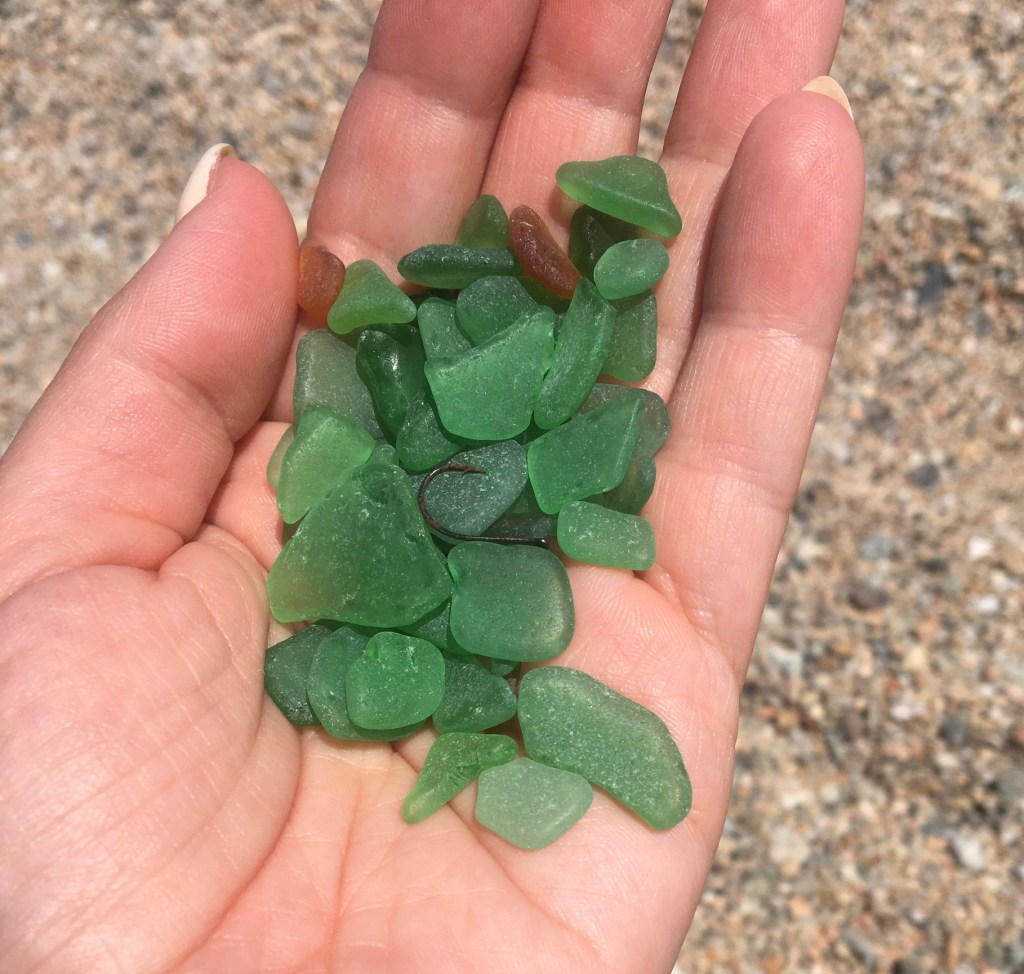
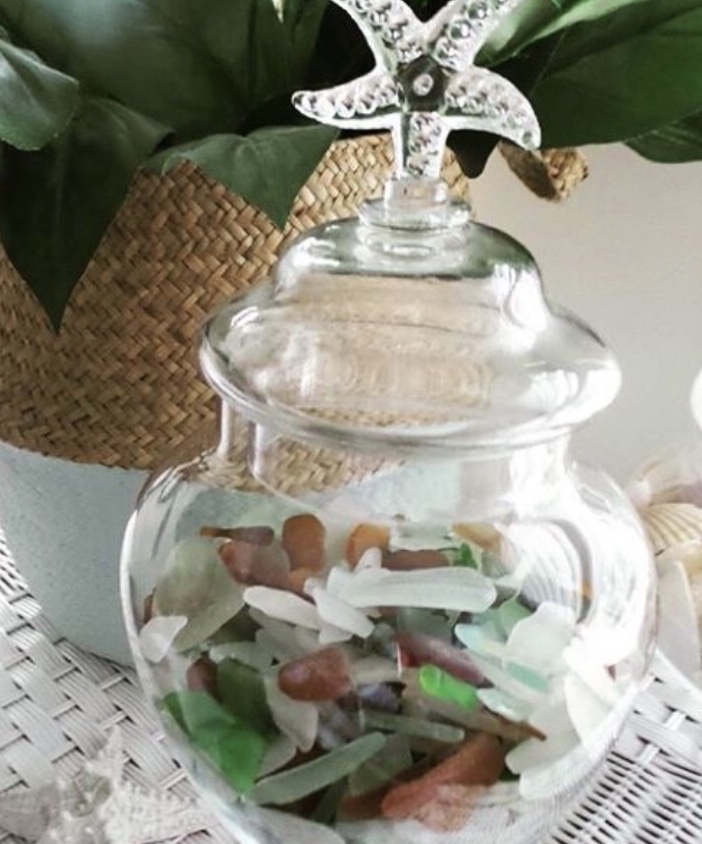
Last time I was in Sardinia, instead of taking a shell from the beach, I decided to collect sea glass instead, understanding that removing shells from nature can harm the environment and disturb the delicate ecosystem of the shore.
Sea glass is physically and chemically weathered glass found on beaches along bodies of water. These weathering processes produce naturally frosted glass. Sea glass takes 20 to 40 years, and sometimes as much as 100 years, to acquire its characteristic texture and shape.
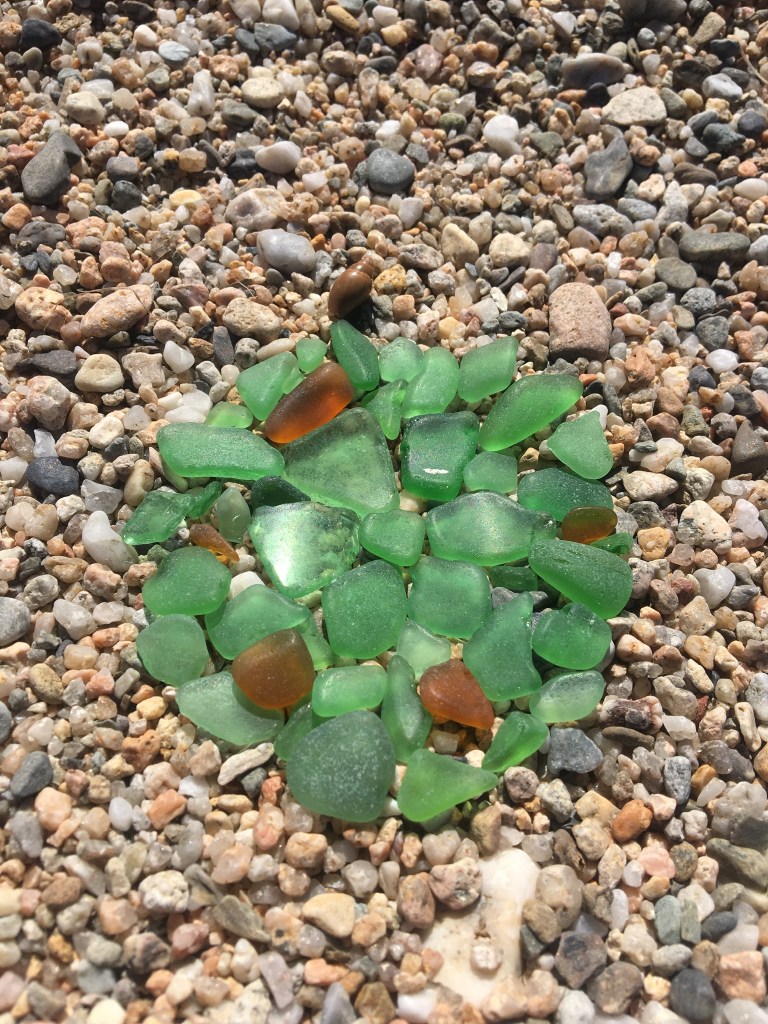
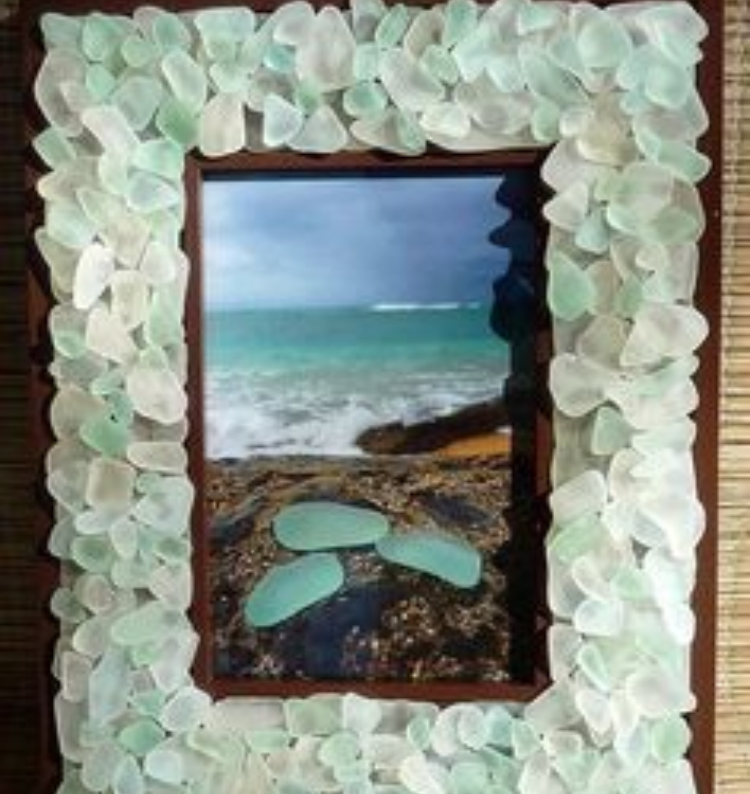
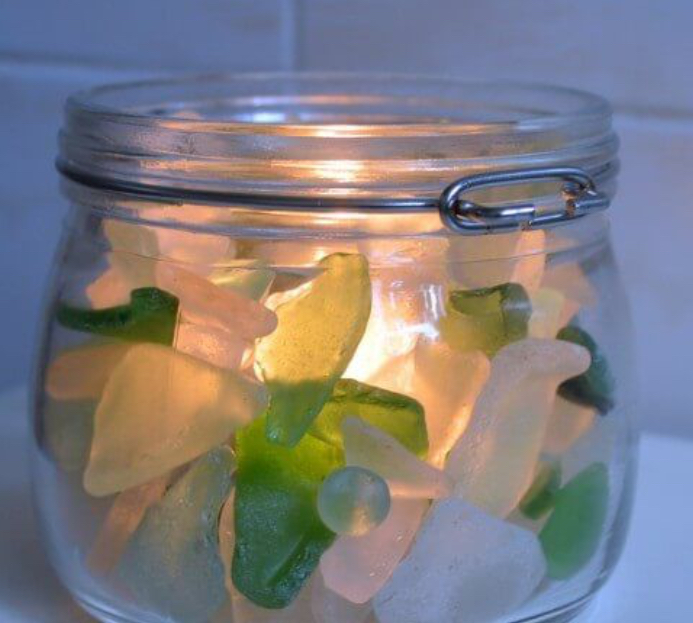
Genuine sea glass can be collected as a hobby and is often used for decoration, most commonly in jewellery. This beach treasure is becoming very rare, almost like precious jewels. In fact, a museum dedicated to sea glass has even been opened in California. Watch the video here:
Sea Glass Museum
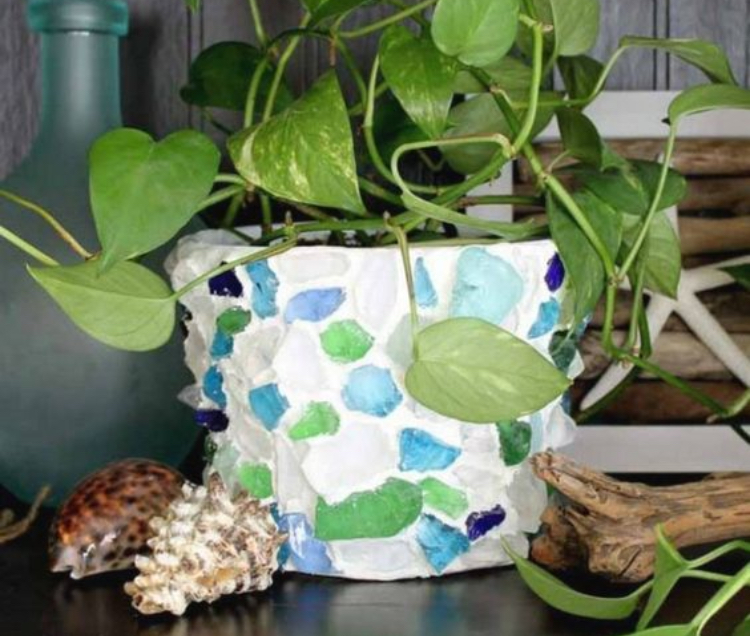
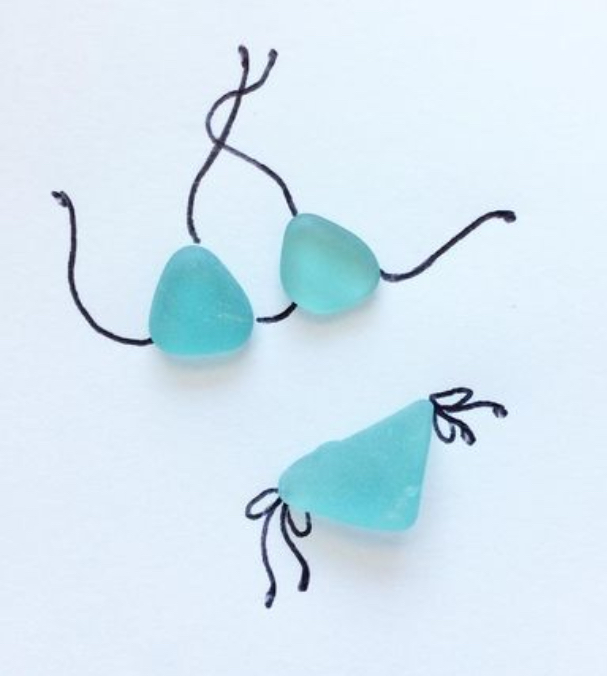
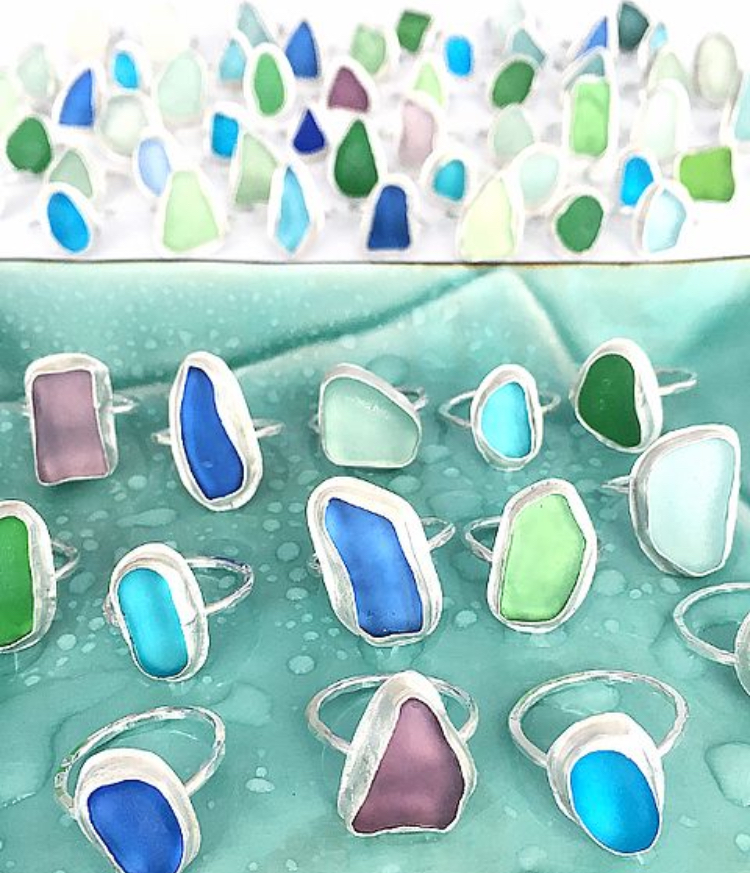
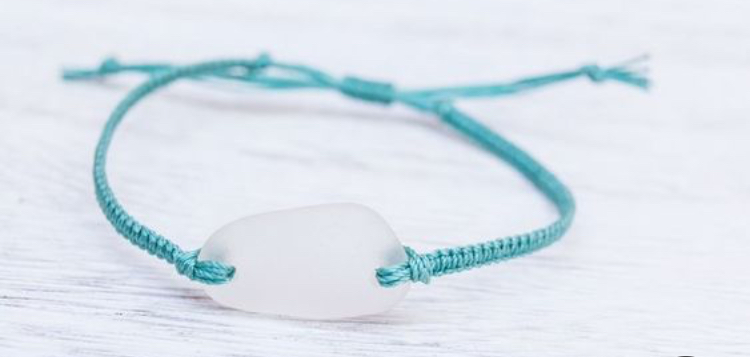
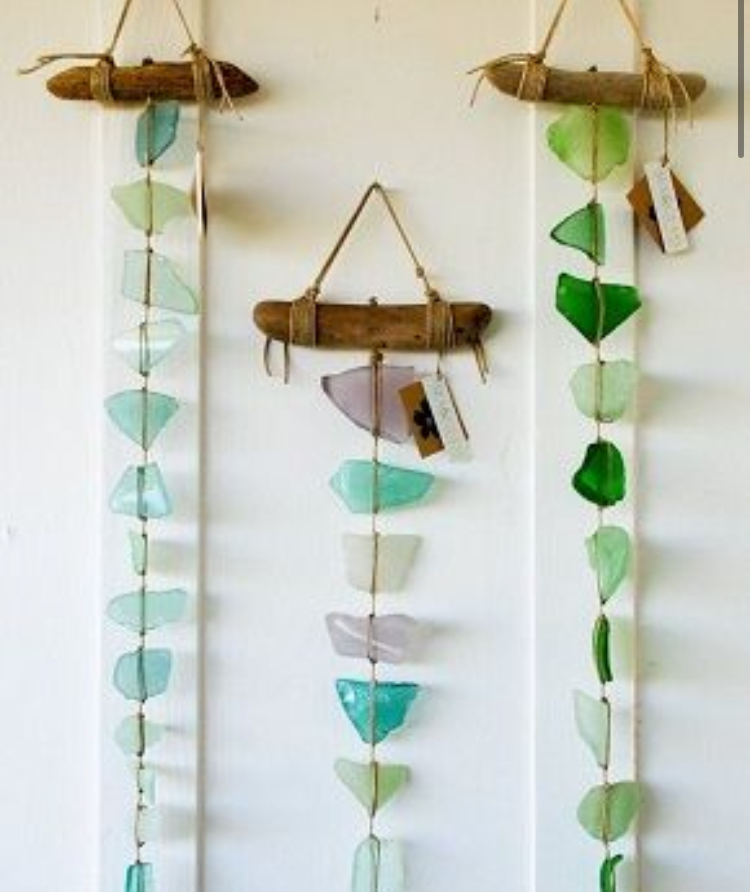
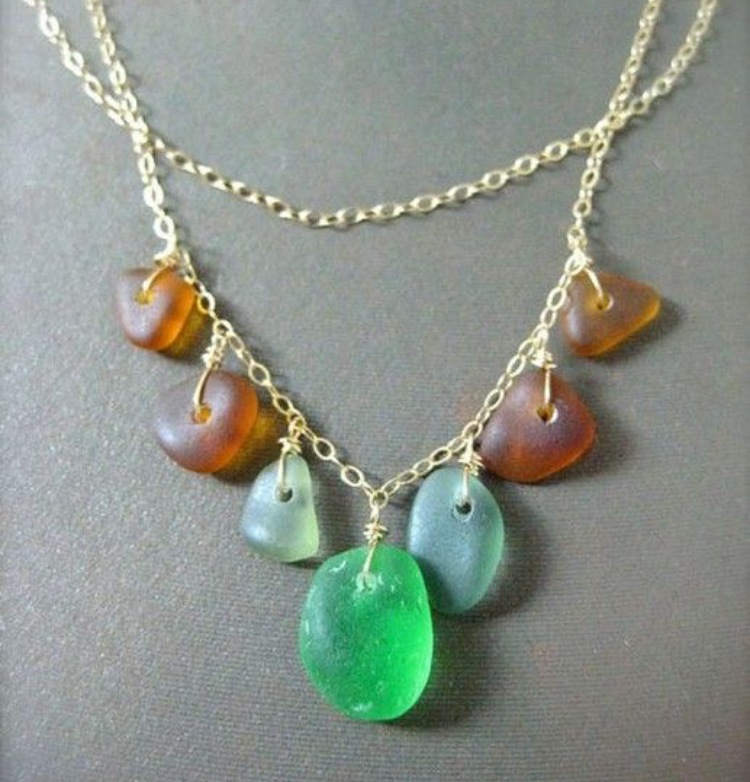
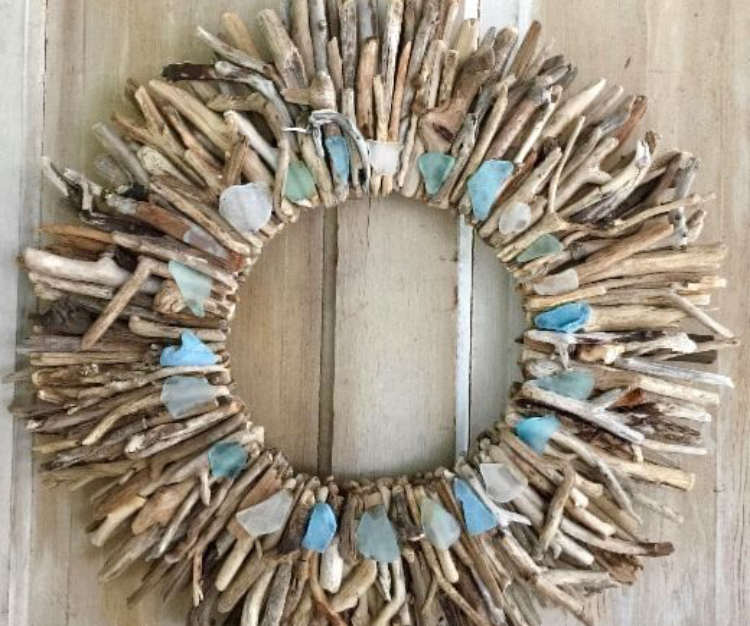
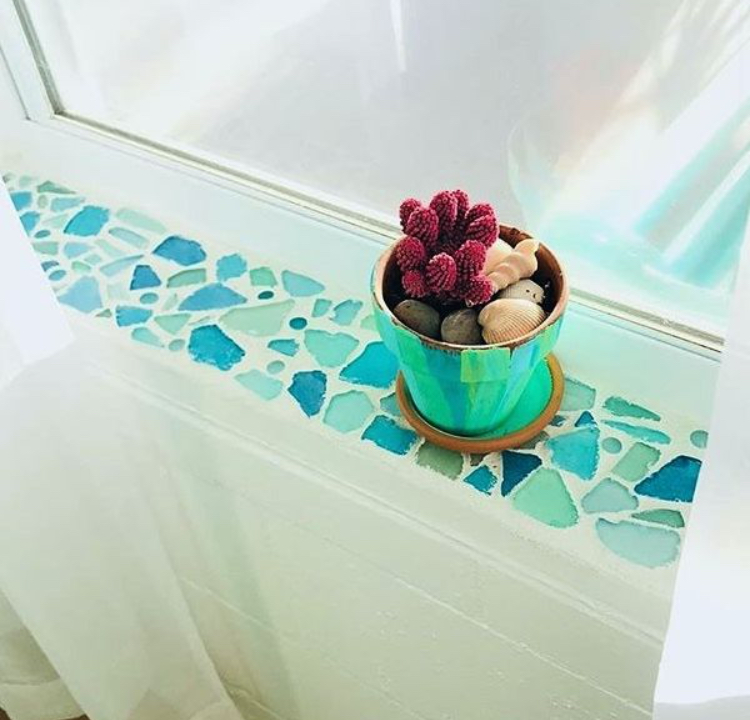
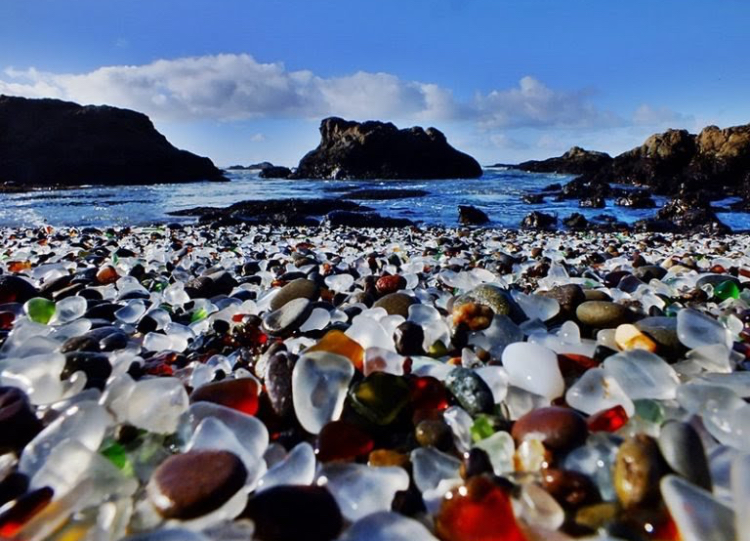
Sea glass is a beautiful example of how nature can adapt and survive, despite the impact of human activity. The Glass Beach in California, for instance, spans over 15 acres and is covered in small pebbles polished into glass by natural processes.
A recent survey conducted by the Friends of Glass community highlighted that glass is an eco-friendly material: it is 100% recyclable and made entirely of natural substances such as sand, limestone, or recycled glass.
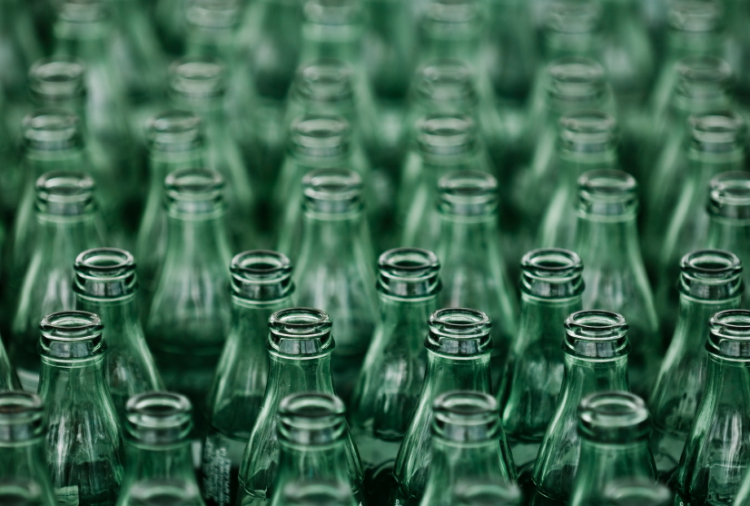
Because glass is inert, even if a container made of this material ends up in the sea, it releases no harmful substances and does not break down into micro-particles that could contaminate the food chain or pollute the oceans. According to the same survey, three out of four Europeans consider glass the most environmentally friendly choice for packaging.
There is also the famous Glass Beach at Fort Bragg
 u-candesign.com
Leave a comment